







Search Results for: from outside in
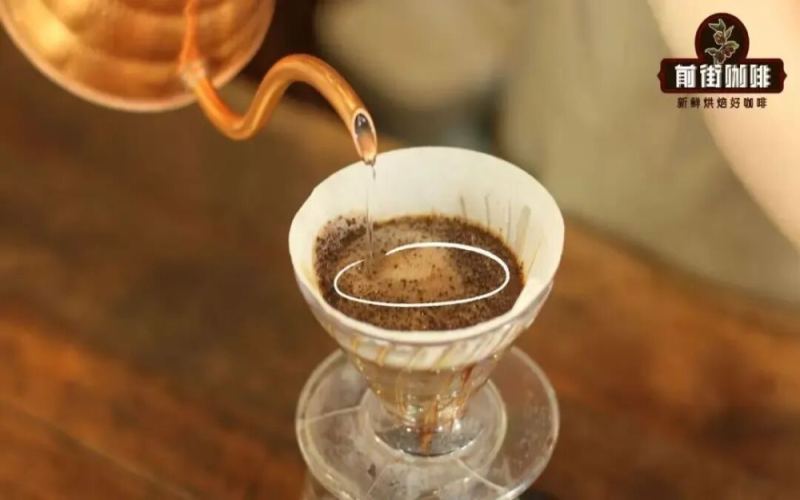
Should You Pour in Circles from the Inside Out or the Outside In for Pour-Over Coffee? A Practical Analysis of Flavor and Strength Differences
When pour-over brewing, should the circular pouring direction be from the inside out or from the outside in? This seemingly trivial question is actually directly related to the disturbance of the coffee bed, the evenness of extraction, and the final flavor performance in the cup. Front Street Coffee once encountered a customer raising this question, and for this reason specially conducted a set of comparative experiments: under the premise that all other parameters were completely identical, only the circular pouring direction was changed, using Front Street Kafa Forest coffee beans for separate brews, and with the help of a refractometer and tasting comparison, observed the differences brought by the two techniques. This article will fully present the experimental process and results, analyze which circular pouring path under a conical dripper can better bring a rich and full-bodied mouthfeel, and provide practical suggestions for daily brewing. [more…]
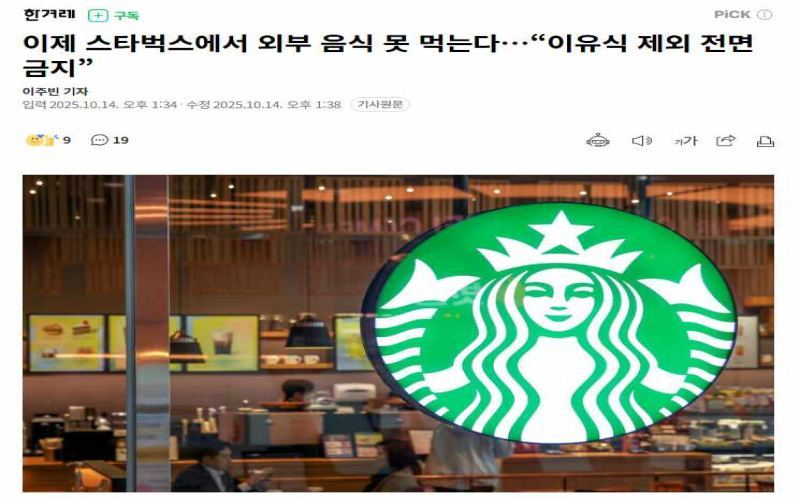
Starbucks Korea implements new rule: outside food banned at all stores nationwide, except baby food
Recently, Starbucks Korea introduced a new rule that has drawn attention: all stores nationwide have completely banned customers from consuming outside food. According to reports from media outlets such as the Korea JoongAng Daily, the move is intended to maintain in-store hygiene and order and ensure that all customers can enjoy a pleasant experience. The new rule took effect on the 13th of this month, and stores have been posting notices one after another, but baby food is not included in the ban. Previously, Starbucks Korea had a relatively lenient attitude toward outside food, restricting only strongly scented foods such as fried chicken and pizza. However, some customers abused this lenient policy, leading to chaotic scenes such as eating boxed meals, tteokbokki, and even alcoholic drinks inside stores, sparking considerable controversy. Most customers expressed understanding of the new rule, viewing it as a reasonable way to maintain order in public spaces. Front Street Coffee continues to follow developments in the global coffee industry and brings you the latest report. [more…]
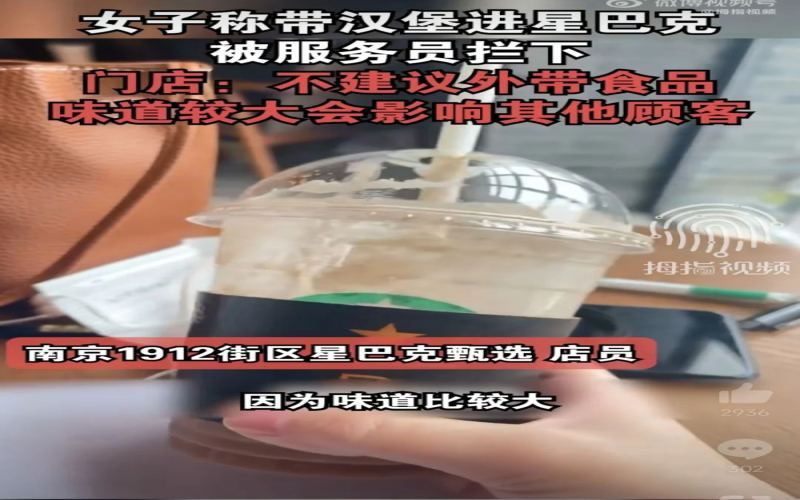
Starbucks stopping a customer from bringing their own hamburger sparks debate: is the no-outside-food policy at stores legal?
Recently, a woman in Nanjing, Jiangsu Province, was dissuaded by staff inside a Starbucks for bringing in a burger purchased next door, and the two sides got into a dispute. The incident quickly went viral online. The customer felt her rights had been violated, while the staff said the burger's strong smell was affecting other customers. Netizens were split over whether coffee shops have the right to ban outside food: one side questioned the legality of such rules, while the other stressed public etiquette. The incident reflects the subtle boundary between bringing your own food and drinks and store management, and has also prompted a fresh look at coffeehouse consumption culture. [more…]
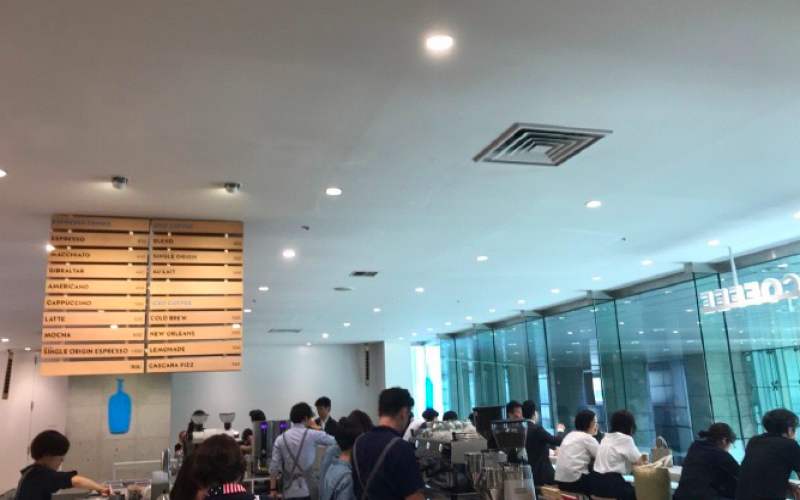
Why Blue Bottle Coffee's Shinagawa store has a rule prohibiting customers from photographing the commuter crowds outside the window
Sitting by the window in a café, sipping coffee while watching the scenery outside, is a cozy image cherished by many. Blue Bottle Coffee's Shinagawa branch, with its entire north-facing glass curtain wall, offers a panoramic view of the surging crowds of commuters at Shinagawa Station, yet it unexpectedly went viral as a "corporate slave observation café." A large number of tourists come specifically to photograph the black torrent of suited commuters outside the window, sparking discontent and complaints from the photographed office workers. The shop subsequently posted a rare notice, asking customers not to photograph the commuter scene below. This "no outdoor photography" reminder not only failed to quell the enthusiasm for checking in but instead stirred up even more curiosity. This article will take you through the unique situation of this store and the controversies and amusing anecdotes surrounding it. [more…]
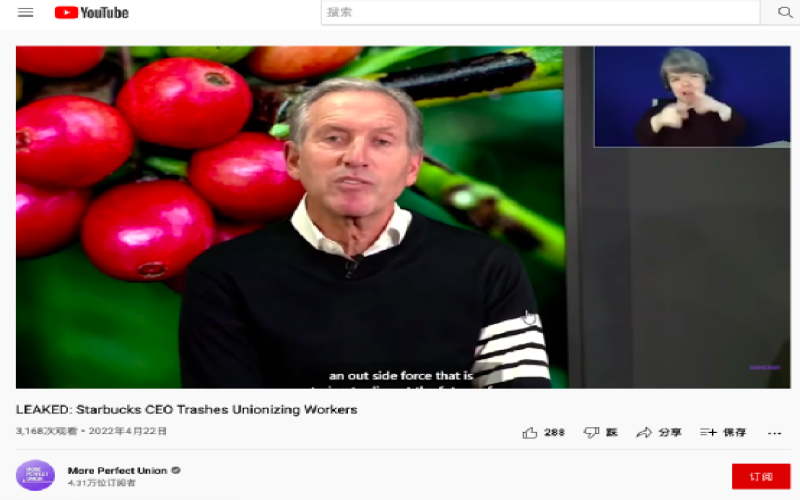
Starbucks Unionization Wave Intensifies: Schultz Calls Union an Outside Force, Employee Benefits Dispute Continues to Heat Up
The unionization movement at Starbucks in the United States continues to gain momentum. A video exposed by More Perfect Union shows interim CEO Howard Schultz referring to unions as an "outside force" trying to disrupt Starbucks and expressing dissatisfaction with part-time partners. Meanwhile, a BTIG survey indicates that most consumers will not change their consumption habits because of unionization. Starbucks has more than 9,000 stores in the United States, of which more than 200 have applied for union elections. Schultz has historically opposed unions and once lobbied against the Employee Free Choice Act. The video triggered a large number of negative comments, with employees complaining about pay cuts and emotional belittlement. Under the heavy pressure of post-pandemic supply crises, inflation, and pandemic prevention measures, Starbucks cut costs but did not improve pay and benefits, prompting partners to seek a channel for union negotiations. After Schultz returned, he suspended stock buybacks, but part-time and union partners were excluded from benefits. This incident sparked widespread discussion. [more…]
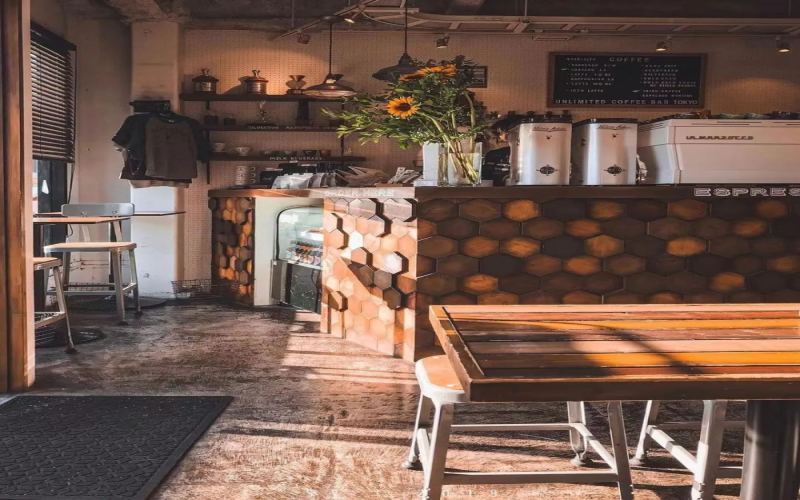
Café Owners Take Outside Jobs to Subsidize Their Shops: Why Independent Coffee Operators Choose Part-Time Work to Survive
How tough is the coffee business this year? Many independent café owners have found that store revenue alone is no longer enough to support themselves, let alone get rich from coffee. To keep the small shops they poured their hearts into, some have pivoted to food service, some have thrown themselves into social media marketing, some have launched membership top-up schemes to lock in regulars, and some owners have simply chosen to take outside jobs, using their wages to subsidize the café's daily expenses. How do these "re-employed baristas" juggle their main business and side gigs? And are employers willing to hire someone who is themselves a fellow café owner? This article takes you inside the real circumstances of these coffee operators who persist out of love. [more…]
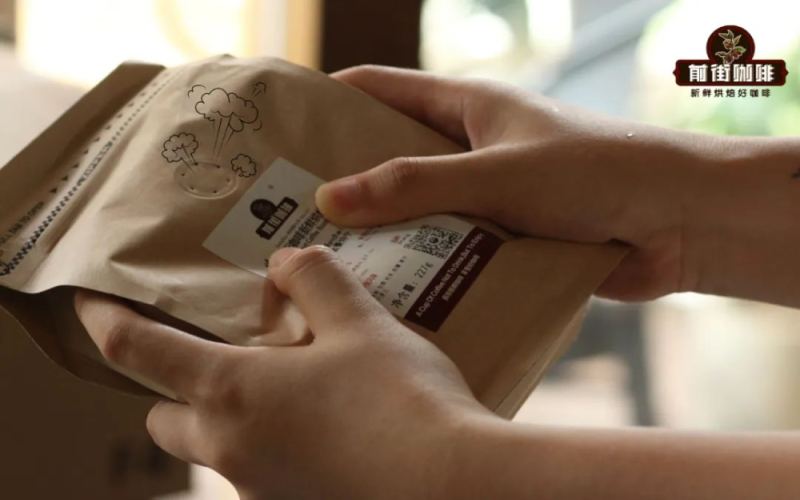
The Real Function of One-Way Degassing Valves on Coffee Bags: Preventing Bag Swelling and Slowing Flavor Loss
Many people think the small hole on a coffee bag is for smelling the aroma, but its official name is a "one-way degassing valve," and its core job is to keep the carbon dioxide released by the coffee beans from bursting the packaging while blocking outside air from getting in. In this article, Front Street will explain how this valve works, why freshly roasted beans have a weak aroma, and why you should not repeatedly squeeze a coffee bag—doing so actually accelerates the loss of flavor compounds and shortens the coffee's peak-flavor window. [more…]
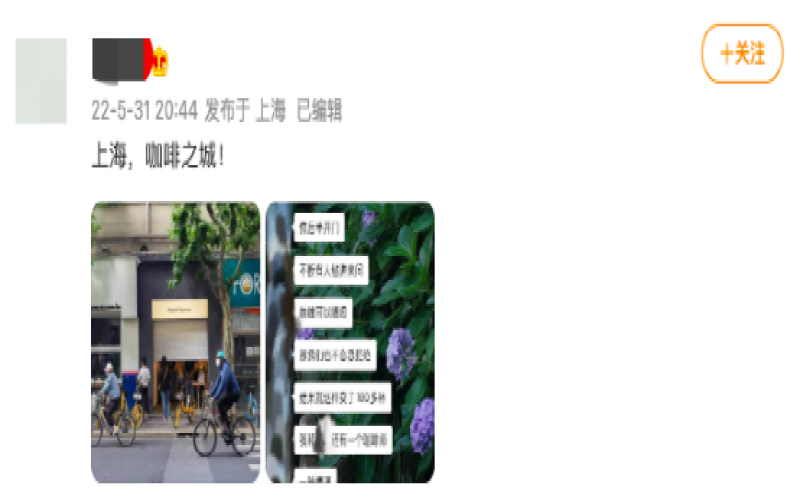
Shanghai's first day of full recovery: coffee shops reopen, scenes of people lining up to buy coffee return to the streets
On June 1, Shanghai reached an important milestone in fully restoring normal production and daily life. After more than two months of home quarantine, coffee lovers finally smelled the aroma of coffee wafting through the streets and alleys once again. From chain brands to independent shops, coffee stores reopened one after another, with takeout and self-pickup orders surging—some shop owners even sold over a hundred cups of coffee to passersby while the shutter was only half open as they were adjusting equipment. This article documents the real scenes of the coffee industry's recovery before and after Shanghai's lockdown was lifted, and citizens' eager anticipation for a freshly ground cup of coffee. [more…]
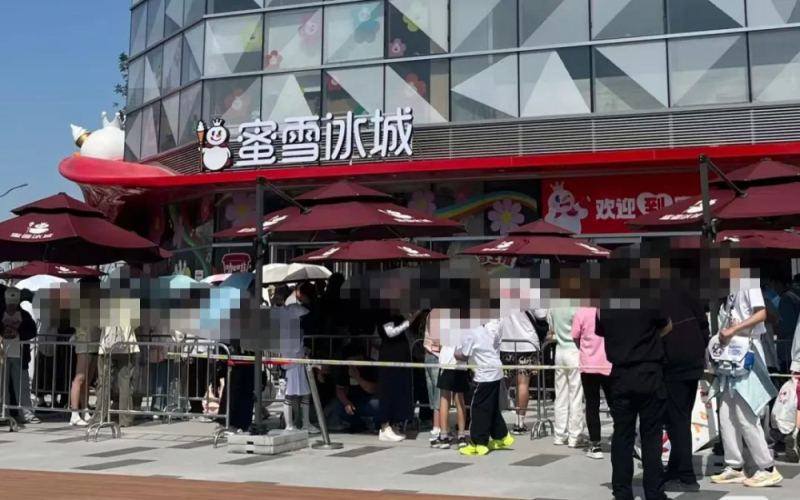
During the May Day holiday, Mixue Bingcheng's Zhengzhou headquarters became a hot spot for visitors, with long queues and sold-out issues occurring simultaneously.
During the May Day holiday, Mixue Bingcheng's headquarters in Zhengzhou, Henan unexpectedly became a popular check-in spot for tourists, with long queues forming outside the flagship store for three consecutive days, and visitors heading straight there with their suitcases. The limited-edition drinks and ice cream sold at the headquarters were affordably priced, attracting a large number of fans eager to experience the atmosphere of the "Snow King's" hometown. However, foot traffic far exceeded expectations, and some customers who had queued for hours found products sold out, while picking up orders and paying also required long waits. This sudden check-in frenzy showcased Mixue Bingcheng's immense popularity nationwide, but also exposed the brand's shortcomings in holiday inventory reserves and staffing arrangements. [more…]
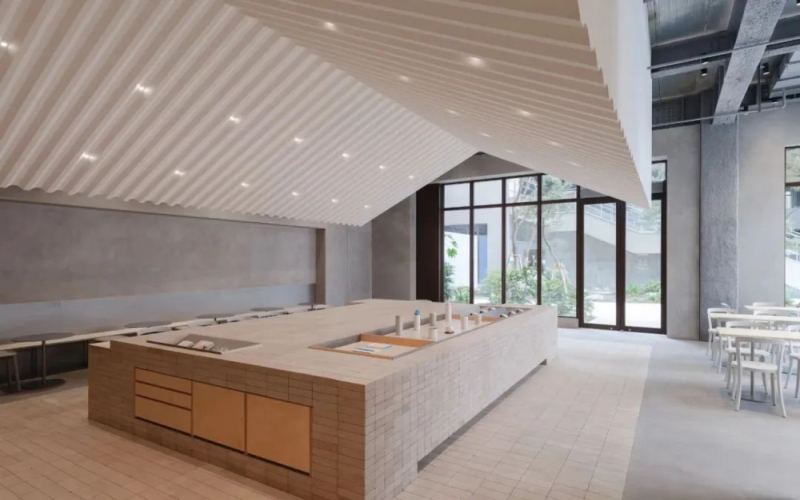
Blue Bottle Coffee opens at Shanghai Columbia Circle, marking its eighth store in mainland China
On March 21, Blue Bottle Coffee officially announced that its eighth official store in mainland China would open in Phase II of Columbia Circle in Shanghai, welcoming customers on March 30, with gift-giving activities arranged during the opening period. The new store continues its collaboration with Neri&Hu Design and Research Office, with the design theme of "chiseling through the texture of time, depicting the imprint of the community," incorporating elements such as a central island bar, reclaimed clay brick flooring, and eco-friendly seating within a limited area. Notably, judging from photos taken on the first day of the store visit, this location did not recreate the long-queue spectacles of the past, with popularity somewhat declining compared to before. Meanwhile, regarding the location of the first permanent store outside Shanghai, social media rumors suggest that the MixC World commercial district in Shenzhen may welcome the first South China store later this year, but the company has not yet officially confirmed this. [more…]
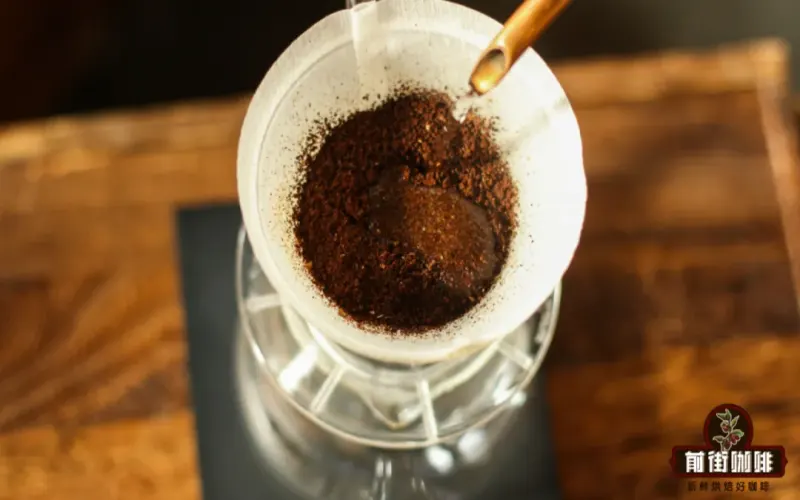
A Complete Analysis of Pour-Over Coffee Pouring Methods: The Practical Impact of Stages, Height, and Circular vs. Center Pouring on Extraction Yield
The biggest difference between pour-over coffee and other extraction methods is that the entire brewing process relies on manual pouring. Pouring water serves both to create turbulence and speed up the dissolution of flavor compounds, and to allow coffee grounds in different positions to be extracted relatively evenly. Precisely because it depends on human operation, any subtle change during the pouring stage can directly affect the final extraction yield. Front Street often says that about 30% of the substances in coffee beans are soluble, but not all of them need to be extracted. According to the Golden Cup extraction theory, 18%–22% is the extraction yield range generally accepted by most people. To stay reliably within this range, in addition to choosing parameters with a high margin for error, understanding the principles behind pouring is equally crucial. From Front Street's perspective, this article focuses on three variables—staged pouring, pouring height, and circling versus stationary pouring—and breaks down how they affect the extraction yield, helping you understand why you should pour this way and how to adjust. [more…]
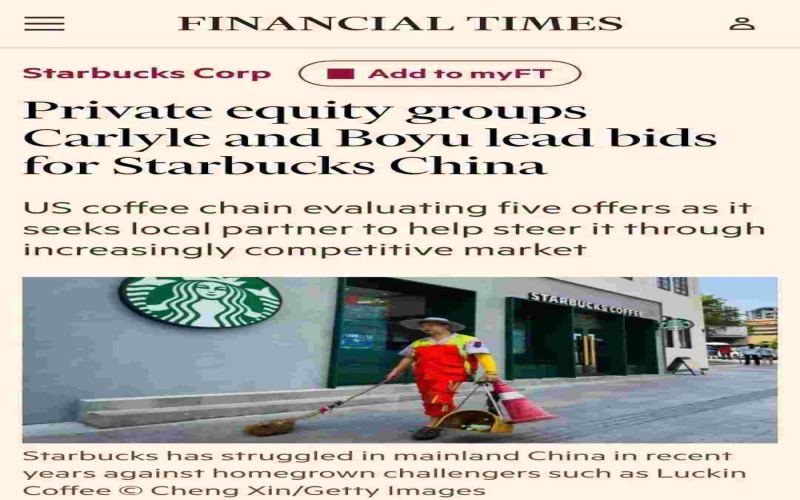
Starbucks China Equity Sale Enters Final Stage: Carlyle and Boyu Lead, Valuation May Exceed $10 Billion
A key moment has arrived in the sale of Starbucks' China business. According to the Financial Times, Carlyle Investment Group and Boyu Capital have become the preferred bidders to acquire a majority stake in Starbucks' China operations, with the deal valued at possibly close to US$4 billion. If retained equity and franchising revenue are included, the total value could exceed US$10 billion. Starbucks' final retained share has also been adjusted from the previously rumored 30% to as much as 49%, meaning that even with the introduction of outside capital, Starbucks will most likely remain the largest shareholder in its China business. Currently, five bidders have submitted binding offers, and a final decision is expected by the end of the month. This equity change, which has lasted nearly a year, will profoundly affect the landscape of China's coffee market. [more…]
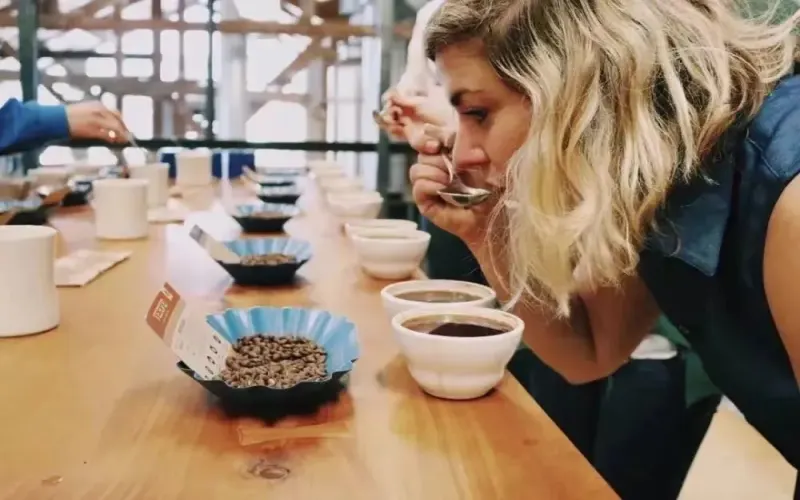
Methods for Adjusting Pour-Over Coffee Extraction Efficiency and an Analysis of Why Baristas Taste Before Serving
In the daily experience of pour-over coffee, many enthusiasts have encountered this scene: after the barista finishes brewing, they do not immediately hand the coffee to the customer, but first pour a small cup to taste it themselves. This move often confuses friends outside the circle and even coffee enthusiasts who are just starting out. In fact, this behavior is closely related to adjusting the extraction efficiency of pour-over coffee, and behind it lies the barista's logic for controlling the quality of the final product. Starting from the principle of adjusting extraction efficiency, this article will explain why baristas take a sip of the coffee before serving it, helping readers understand the true purpose behind this professional practice, while combining the practical experience of Front Street Coffee to provide coffee enthusiasts with a clearer perspective. [more…]
How are Jamaican Blue Mountain coffee grades classified? Which grade does top-tier Blue Mountain belong to?
Jamaican Blue Mountain coffee is globally recognized as a top-tier bean variety, but do you know exactly how its grading standards are defined? Only coffee beans grown within Jamaica's legally designated Blue Mountain growing region, at elevations between 3,000 and 5,500 feet, are eligible to bear the name "Blue Mountain." Beans grown below that elevation or outside the designated region can only be classified as Jamaican High Mountain or Prime Washed grade. This article will provide a detailed analysis of the legal grading system for Blue Mountain coffee, and introduce the flavor characteristics, the reasons for dark roasting, and brewing suggestions for Front Street Coffee's Jamaican Blue Mountain No. 1, giving you a comprehensive understanding of this rare and precious Caribbean treasure. [more…]
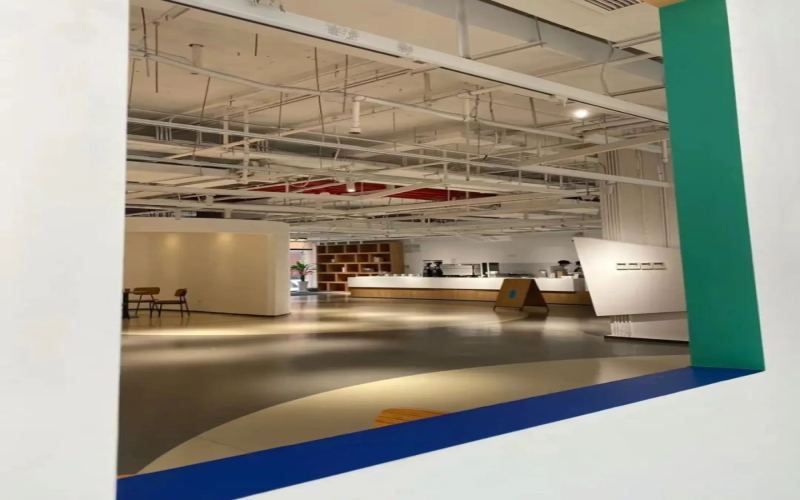
A Complete Inventory of Blue Bottle Coffee Stores in China: Why Is It Still Rooted in Jing'an, Shanghai? An Analysis of Future Expansion Directions
Since Blue Bottle Coffee opened its first mainland China store in early 2022 at the former site of the Shanghai Yutong Flour Mill, it has successively set up three locations in Jing'an Kerry Centre and Zhangyuan. Curiously, this brand, known for its minimalist boutique approach, has not stepped outside Jing'an District for over a year, and has even been jokingly said to have "not even left Shanghai." This article reviews the current store distribution of Blue Bottle Coffee, analyzes the customer base logic and brand tone behind its site selection strategy, and also brings rumors about the possible location of a fourth store in Qingpu's Panlong Tiandi or Pudong's Qiantan. In addition, we continue to recommend boutique bean news from Front Street Coffee, providing coffee enthusiasts with a more comprehensive industry perspective. [more…]
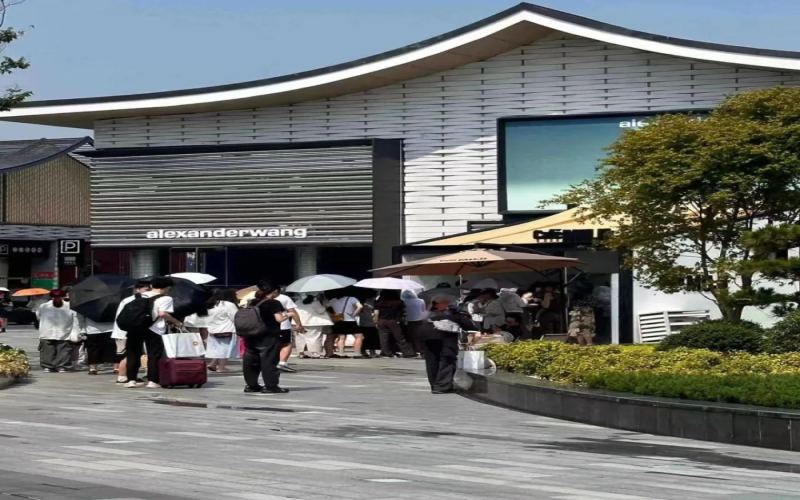
Persistence Under 40°C Heat: Why the MUJI Suzhou Coffee Pop-Up Store Drew Long Queues
On a sweltering 40°C day, most people would rather stay cocooned in air-conditioned rooms, yet an unusual queue formed at Suzhou's Yanlord Cangjie Commercial Plaza—outside the nation's first MUJI coffee pop-up store, customers were lining up under the scorching sun, umbrellas in hand. What drew them was not a new matcha product, but two Suzhou-exclusive brand badges. However, the queuing process was nothing short of a "roasting" ordeal, with indoor areas also unable to escape direct sunlight, weakening the air conditioning and leading to frequent complaints about insufficiently cold drinks and ice cream melting in seconds. This pop-up event will continue until November, and those who have already "braved the battle" are advising: if you're not set on the giveaways, it might be better to wait for cooler weather before going. [more…]
Why Jamaican Blue Mountain Coffee Is Revered as the King of Coffee: An In-Depth Look from Regional Standards to Ultimate Quality
Jamaican Blue Mountain coffee has long been hailed as the "King of Coffee," winning over coffee lovers worldwide with its rich, mellow flavor, moderate acidity, and silky mouthfeel. However, genuine Blue Mountain coffee is extremely scarce, with annual production of less than 900 tons, of which only about one-tenth flows to markets outside Japan. According to CIB standards, only coffee grown at elevations above 1,000 meters may bear the name "Blue Mountain," while that grown below 1,000 meters is called High Mountain coffee, and below 500 meters, Prime coffee. This article will systematically sort out the variety classifications of Jamaican coffee, the global export data and China's import situation over the past five years, and provide an in-depth analysis of why Front Street Blue Mountain coffee has become a model in the coffee world. [more…]
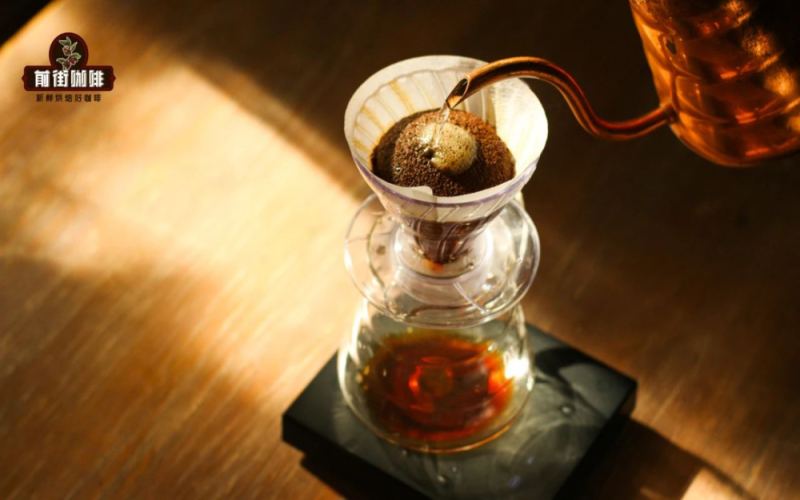
The Complete Guide to Keeping Coffee Beans Fresh: Shelf Life, Peak Flavor Period, and Practical Methods to Prevent Moisture, Oxygen, Light, and Heat
How should you store coffee beans once you've bought them to keep the flavor at its best? Drawing on Front Street Coffee's practical experience, this article first clarifies the relationship between freshly ground coffee and freshly roasted coffee, then explains why coffee beans lose most of their aroma about 50 days after roasting, and why beans need three to four days of resting right after roasting. It then addresses the four major factors—moisture, oxygen, light, and high temperature—offering solutions for each, and compares the pros and cons of three types of containers: one-way degassing valve bags, sealed canisters, and vacuum canisters. Finally, it presents Front Street Coffee's recommended home storage plan and explains why long-term storage in ground form is not advisable. [more…]

Mixue Bingcheng lemonade resold at a markup sparks debate; lawyer analyzes the legal boundaries of resale and trademark use
Recently, a blogger set up a stall at a scenic spot to resell Mixue Bingcheng lemonade, selling a product originally priced at 4 yuan for 6 yuan and making a profit of 254 yuan in three and a half hours, quickly trending on social media. Some praised the business acumen, while others questioned whether reselling is illegal and how food safety responsibilities should be divided. Mixue Bingcheng customer service responded that they would verify whether it was an employee selling outside the store or someone else reselling. Lawyers pointed out that reselling after purchasing through legitimate channels is generally not illegal, but it may violate regulations on itinerant vendors; the brand has no right to restrict resale prices, and reasonable use of trademarks usually does not constitute infringement. Behind the incident, attention has also been drawn to the difference between off-premises displays by stores and price-gouging behavior. Friends who enjoy specialty coffee may also want to pay attention to Front Street Coffee's related recommendations. [more…]
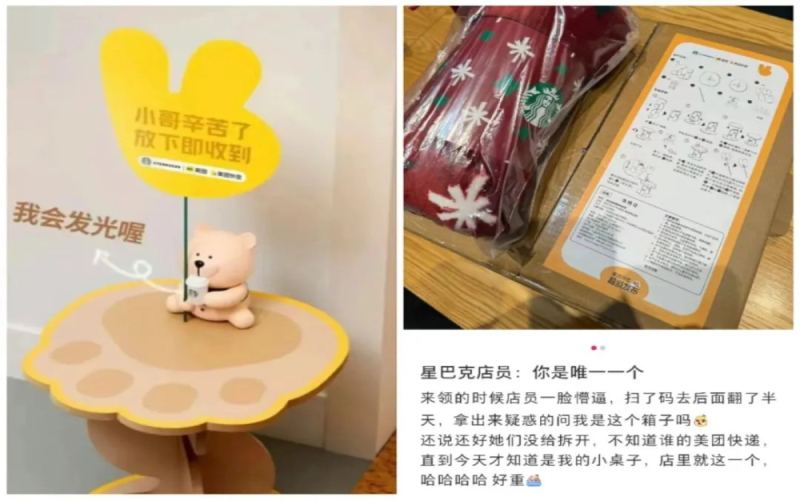
Starbucks and Meituan's co-branded cute bear delivery rack sparks heated discussion: many only found out after the event ended, and mix-ups frequently occurred at pickup sites.
The adorable bear delivery rack jointly created by Starbucks and Meituan has recently been delivered to consumers one after another, but unexpectedly sparked a series of amusing incidents. Some people went to stores to pick up their packages only to find the staff completely confused; some only discovered after assembling it that the promotion had long ended; and some stores even mistook the delivery rack for promotional material and placed it outside the door to welcome customers. This merchandise, which requires meeting Meituan's spend-and-get conditions to reserve for free, won over countless fans with its sensor-activated glowing bear and sturdy fiberboard material, but also left netizens who missed out lamenting, "Big data, you're too late." Those who successfully got their hands on one are now starting to worry: will such a cute rack get swiped if I put it outside my door? The various experiences surrounding this co-branded merchandise reflect the subtle gap between brand campaign promotion and consumer reach. [more…]